
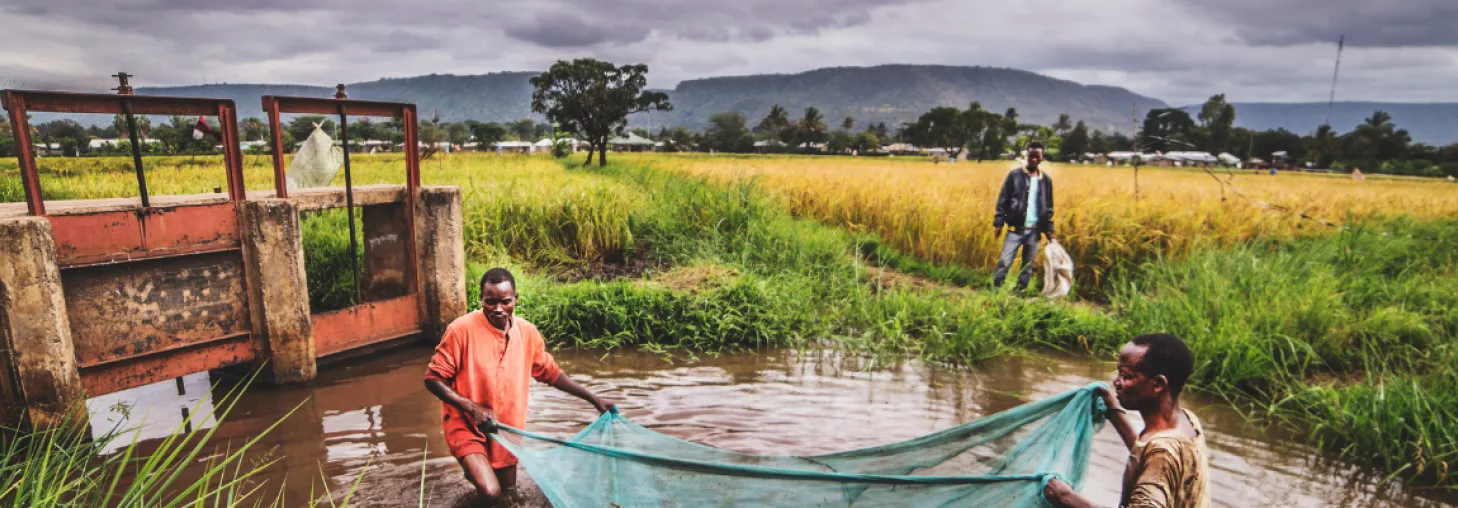
 Photo: Kirk Mason/CGAP Photo Contest 2016
Making financial services meet the needs of the world’s most vulnerable
People living in poverty constantly juggle an evolving set of risks and crises in their daily lives. Climate change, the COVID-19 pandemic, and the ongoing food crisis, among others, have increased these risks substantially, contributing to a rise in global poverty and inequality. Meanwhile, a third of the world’s adult population lacks the financial services they could use to significantly improve their lives. CGAP is working to change this, and we believe that positive trends in inclusive finance offer hope for a green, resilient, and inclusive future.

CGAP has identified 2,015 "new", largely commercial capital providers extending beyond the traditional pool of funders—creating opportunities to scale solutions while also raising risks as ODA declines. This brief maps the financial inclusion funding landscape and what it means for legacy supporters driving development impact.
Three years ago, conflict erupted in Sudan, and its toll continues to be devastating. The crisis has caused profound human suffering and dismantled the systems households once relied on to absorb shocks. In this episode, we explore an emerging solution: the Shared Distribution Network (SEND), designed by CGAP and the Cash Consortium of Sudan to cut delays and improve cost-effectiveness.
DFIs are vital for climate adaptation, yet a gap exists between mobilizing capital and proving it actually builds resilience for end-users. We need better data on client outcomes to bridge the divide between impact intent and investment decisions.
To scale inclusive insurance, we must move from creating frameworks to making them investable. Here, we highlight how shifting toward risk-based approvals, cross-agency coordination, and institutionalized public-private dialogue can turn regulatory friction into market-ready solutions.
Featured Topics

Despite the growing body of evidence, significant gaps remain in understanding why financial services drive positive change and impact in some scenarios but not others. Financial Inclusion 2.0 aims to bridge these gaps.

A2ii is a global partnership that works with insurance supervisors to promote inclusive and responsible insurance, thereby reducing vulnerability. As of July 2025, CGAP convenes A2ii in close coordination with IAIS.

MSEs have diverse financial needs, even when considering size alone. However, when gender is factored in, this complexity only deepens.


